Neurological rehabilitation for adults
When an adult sustains a brain injury, spinal cord injury, or stroke - or lives with a progressive condition such as Parkinson's or multiple sclerosis - the road back to independence is rarely a straight line. Choosing the right physiotherapy partner matters enormously. It shapes how quickly a client regains function, how safely they return home, and how sustainably their support needs settle over time.
The clients we see
Adult neurological rehabilitation covers a broad and varied group. Some clients are recovering from a sudden event; others are managing a long-term, progressive condition. The conditions we most commonly support include:
● Acquired brain injury (ABI), including traumatic brain injury (TBI). Often the result of a motor vehicle accident, fall, or assault, TBI can affect movement, balance, coordination, and endurance alongside cognitive and communication changes. These are frequently MAC-relevant claims where early, coordinated rehabilitation makes a measurable difference.
● Spinal cord injury (SCI). Whether complete or incomplete, SCI requires specialised, lifelong physiotherapy — from respiratory care and strengthening to wheelchair skills, transfers, and preventing secondary complications such as shoulder overuse and contractures.
● Stroke. One of the most common causes of adult disability. Rehabilitation focuses on regaining mobility, balance, upper-limb function, and confidence, while reducing the risk of a further stroke.
● Parkinson's disease and other movement disorders. Progressive conditions where the right exercise approach can help maintain mobility, reduce falls, and preserve independence for longer.
● Multiple sclerosis (MS) and other neurological conditions. Including Guillain-Barré syndrome, motor neurone disease, and functional neurological disorders — each needing a tailored, goal-directed plan.
Why refer for neurological physiotherapy?
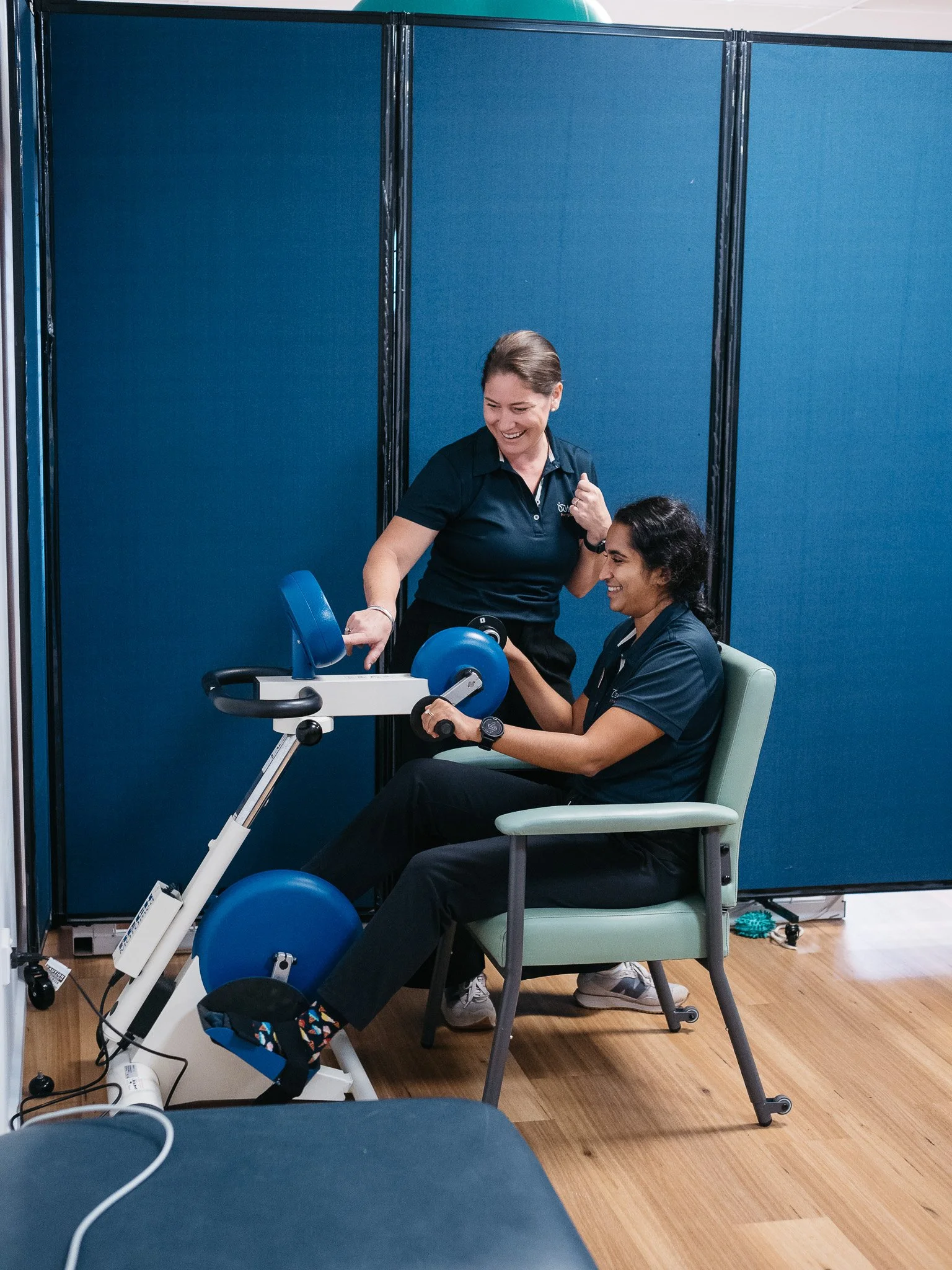
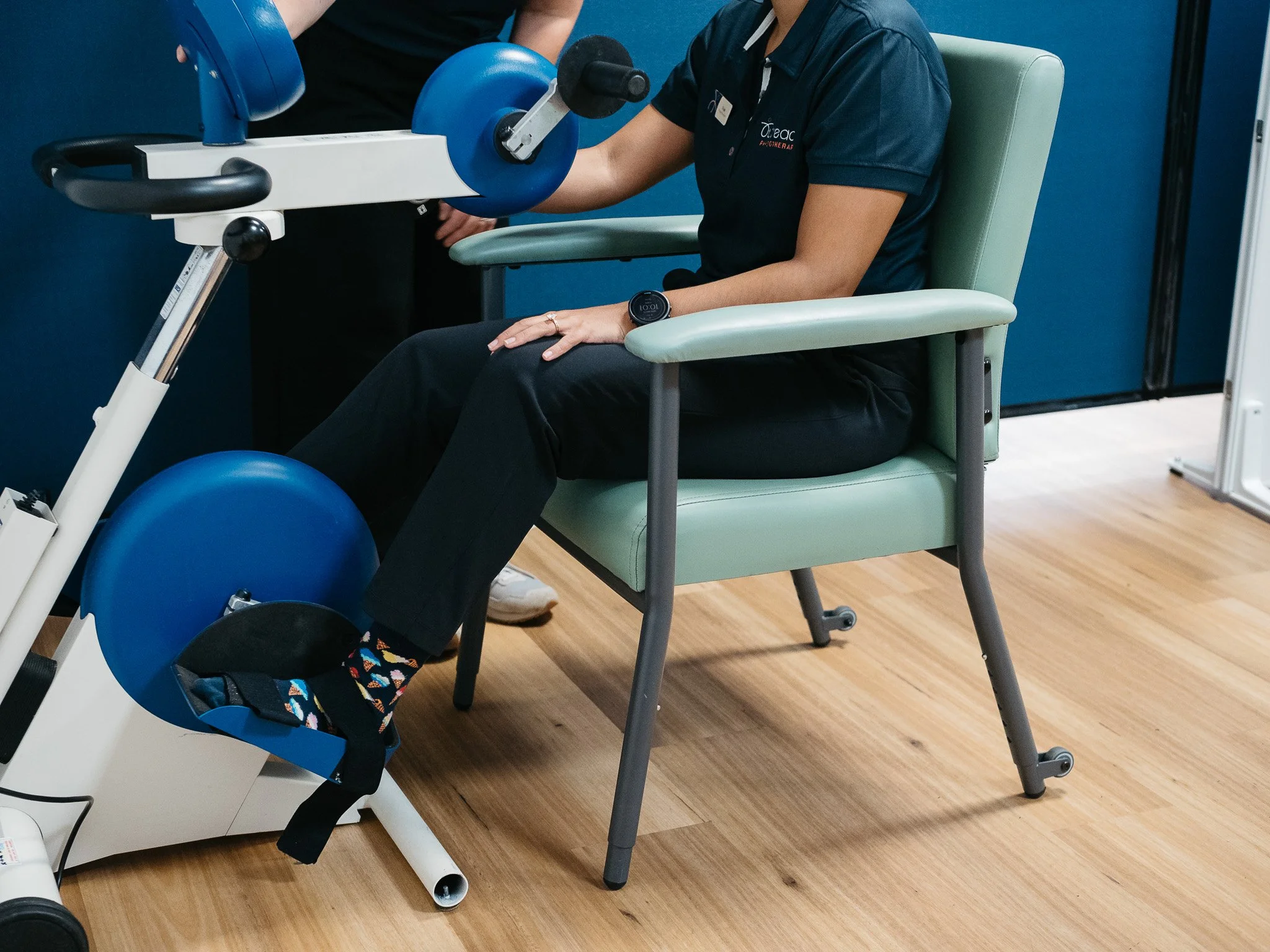
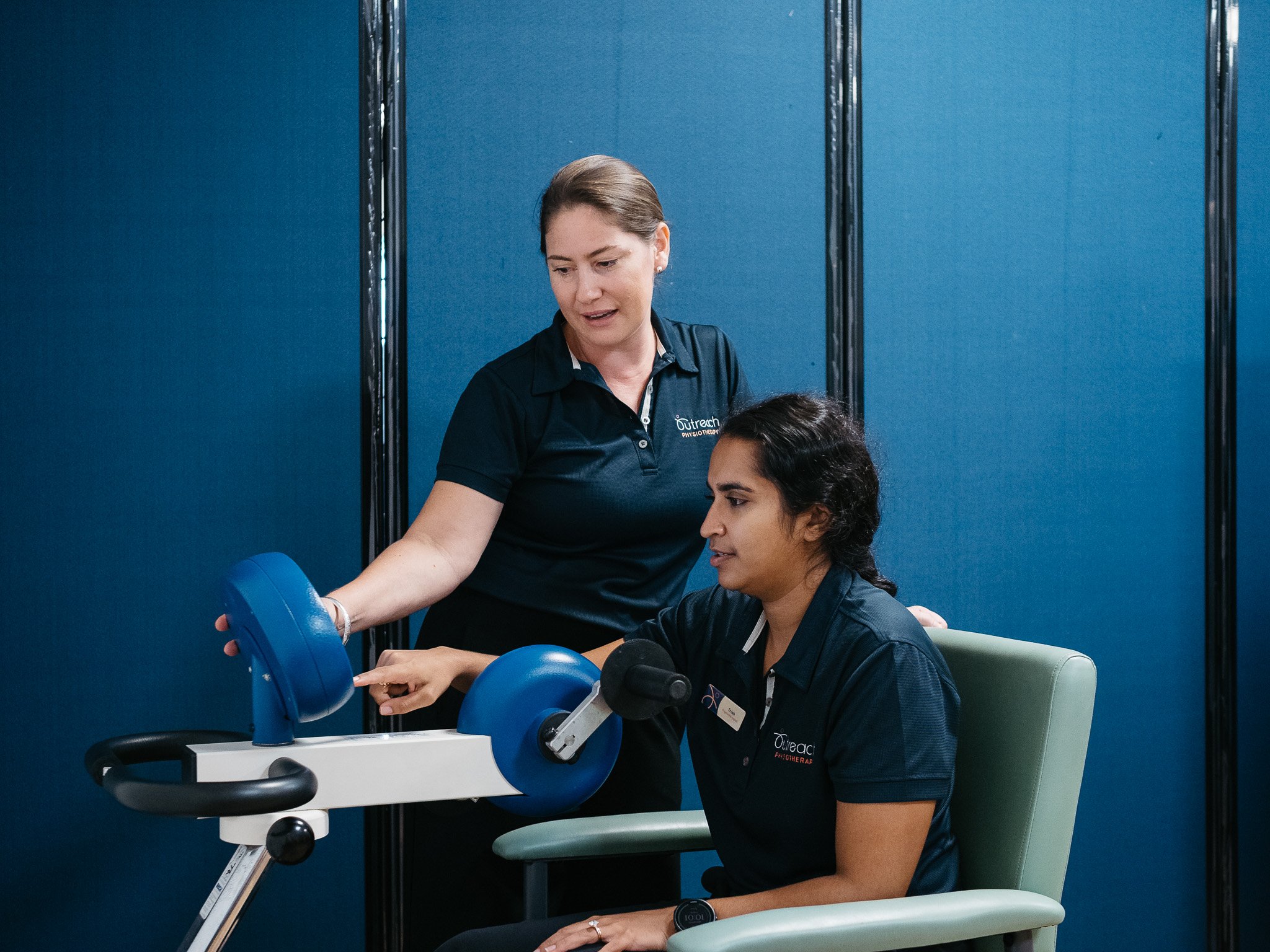
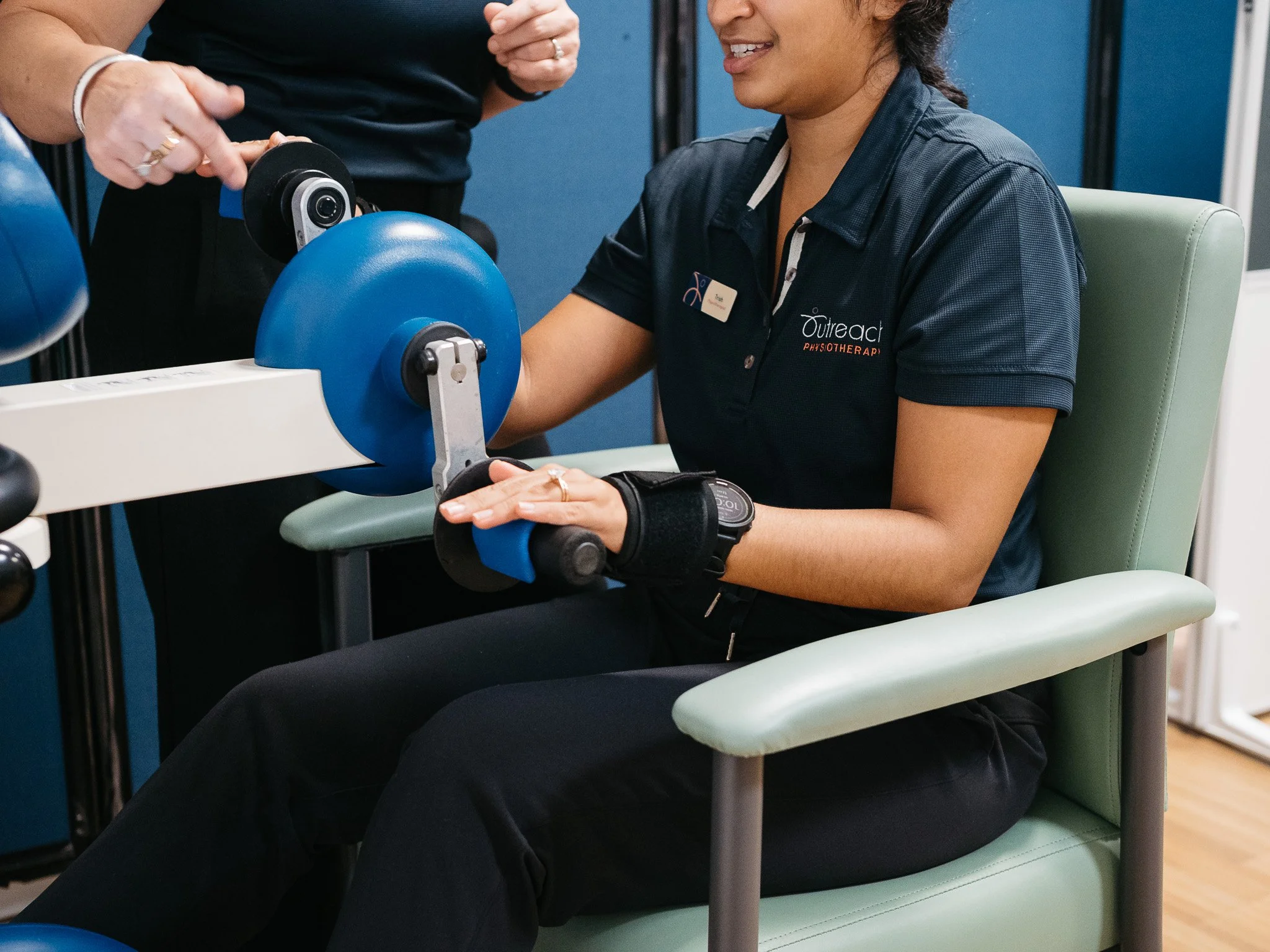
Neurological physiotherapy is founded on the principle of neuroplasticity - the nervous system's capacity to adapt, reorganise and recover in response to experience and targeted intervention. Neuroplasticity - the brain and spinal cord's ability to reorganise and relearn - means that targeted, repetitive, task-specific practice can drive real functional gains, often well beyond the acute phase. Modern neurorehabilitation harnesses this through high-repetition, meaningful movement practice, strength and fitness training, and skills rehearsal in the environments where clients live, work and participate.
Effective physiotherapy can shorten hospital, and inpatient rehabilitation stays through supported discharge, reduce the risk of costly secondary complications (falls, pressure injuries, contractures, respiratory issues, shoulder pain), lower long-term attendant-care needs by building capacity and independence, and support a return to work, driving, study, and community life.
What good neurological rehab looks like - and how we deliver it
Function and measurable outcomes come first
Every plan starts with the client's own goals - walking to the letterbox, transferring safely, returning to work, holding a grandchild - and works backward to the physiotherapy that will get them there. We use standardised, validated outcome measures to set baselines, track progress, and demonstrate change over time. This gives case managers transparent, objective evidence of what their funding is achieving, and flags early when a plan needs adjusting.
We frame goals within the World Health Organization's International Classification of Functioning, Disability and Health (ICF) - looking beyond the diagnosis to the client's activity, participation, and real-world environment. It's an approach we've written about before, and it keeps rehabilitation anchored to what matters most: a life well lived, not just a metric on a chart.
Care delivered where clients live
Outreach was built on a simple idea: bring the service to the person, where they live and spend their time. For neurological clients - many of whom find travel fatiguing, unsafe, or simply impractical - this is more than a convenience. Practising transfers in the client's actual bathroom, rehearsing a walk on their own front steps, or setting up a home exercise programme around their real kitchen makes therapy directly transferable to daily life. It also reduces missed appointments and removes a significant barrier to consistent, high-dose rehabilitation. We deliver mobile physiotherapy across Darwin and the wider Top End, including support for clients in regional and remote communities.
Evidence-based, clinically reasoned practice
Our clinicians work to current national and international clinical guidelines - including the Stroke Foundation's living guidelines, the Australian and New Zealand physiotherapy guidelines for spinal cord injury, and established guidance for Parkinson's and traumatic brain injury. Evidence tells us what tends to work: task-specific and repetitive practice, progressive strength and cardiovascular training, balance and falls-prevention work, and respiratory physiotherapy where needed. It also tells us what to avoid wasting time and funding on. Referrers can be confident that recommendations are clinically justified, documented, and defensible.
A simple, responsive referral pathway
We know a referral is only useful if it turns into timely care. Referrers can send us a client through our online referral form or by phoning the Darwin clinic directly. We aim to make initial contact and assessment promptly, provide a clear plan and quote where required, and report back to case managers in language that supports their decision-making — progress against goals, outcome-measure data, and clear recommendations for ongoing funding. No jargon walls, no black boxes.
Final thoughts
Referring an adult with a neurological condition is a decision about more than a service - it's a decision about someone's recovery, safety, and future independence. The best outcomes come from rehabilitation that is goal-driven, evidence-based, measured, and delivered consistently in the environments where clients live their lives