Home Care Packages and physiotherapy: your guide to physio in Darwin
Staying active, steady on your feet, and independent is one of the most important things for living well as we get older. For many older Australians, a little regular physiotherapy is what makes the difference between managing confidently at home and slowly losing ground.
If you have a Home Care Package or you're helping a parent or loved one with theirs, you may be wondering: can I use this funding for physiotherapy, and how does it actually work now that the system has changed?
It's a great question, and the timing matters. Home care in Australia has just been through its biggest reform in a decade. In this guide, we'll walk through what your funding covers for physiotherapy, what's changed under the new Support at Home program, how much funding is available, and the different ways you can access physio with us in Darwin - from one-on-one sessions in our clinic, to our group programs, to home visits when you need them.
Home Care Packages have moved to "Support at Home" - here's what that means
First, the big change. On 1 November 2025, the Australian Government's new Support at Home program replaced the old Home Care Packages Program (and the Short-Term Restorative Care Programme). If you've heard people talking about "the new aged care changes," this is what they mean.
The good news for anyone already receiving care: you're protected. If you were receiving a Home Care Package - or were approved and waiting for one - before the reforms began, you move across under a "no worse off" principle. That means your existing arrangements and any unspent funds carry over, and you won't suddenly be asked to pay more than you were before.
Here's what's genuinely new under Support at Home:
✅ Eight funding levels instead of four - more steps mean funding can be matched more closely to your actual needs.
✅ Quarterly budgets - your funding is now released in quarterly instalments rather than one big annual pool. You can roll over up to $1,000 or 10% of your quarterly budget (whichever is greater) into the next quarter, so there's flexibility if you don't use it all.
✅ A clear focus on staying independent - the new program is built around reablement: helping you regain and keep your strength, balance and mobility, rather than simply "doing things for you." This is exactly where physiotherapy shines.
✅ A separate pool for equipment and home modifications - things like walking aids, rails and ramps are now funded through a dedicated Assistive Technology and Home Modifications scheme, rather than eating into your everyday budget.
If you're still waiting on the list or new to all this, that's okay - the steps to get started are further down this page.
Yes - you can absolutely use your funding for physiotherapy
This is the part many people don't realise: under Support at Home, physiotherapy is classed as a "clinical support" — and clinical supports are fully funded by the Government.
In practice, that means you don't pay a personal contribution for your physiotherapy, regardless of whether you're a full pensioner, part pensioner or self-funded retiree. Everyday services like cleaning and gardening may attract a co-contribution under the new rules, but clinical care from a physiotherapist, nurse or occupational therapist does not.
Physiotherapy sits alongside other clinical supports such as nursing, occupational therapy, podiatry, dietetics and exercise physiology. So if part of your goal is to move better, reduce pain, prevent falls or recover after a hospital stay, your funding is designed to make that possible.
Quick note: Every person's plan and provider arrangements are a little different. It's always worth confirming with your provider or care manager how your specific budget is allocated — but the framework is firmly on your side when it comes to physio.
How much funding is available?
Support at Home has eight classification levels. The lowest level provides roughly $11,000 a year, scaling up to approximately $78,000 a year at the highest level for people with more complex needs. (These amounts are indexed and adjusted over time, so it's best to check the current figures for your level on My Aged Care.)
Your level is determined by an assessment of your needs - not something you choose - and it covers your whole mix of supports, from clinical care through to help around the home. Because physiotherapy is fully funded within that budget, regular sessions can usually be built into your plan without an out-of-pocket cost to you.
Three ways to work with us: clinic, group, or at home
Not everyone needs the same thing — so we offer physiotherapy in a few different ways, and we'll help you choose the right mix for your goals and your budget.
🏥 In our clinic (our preferred setting)
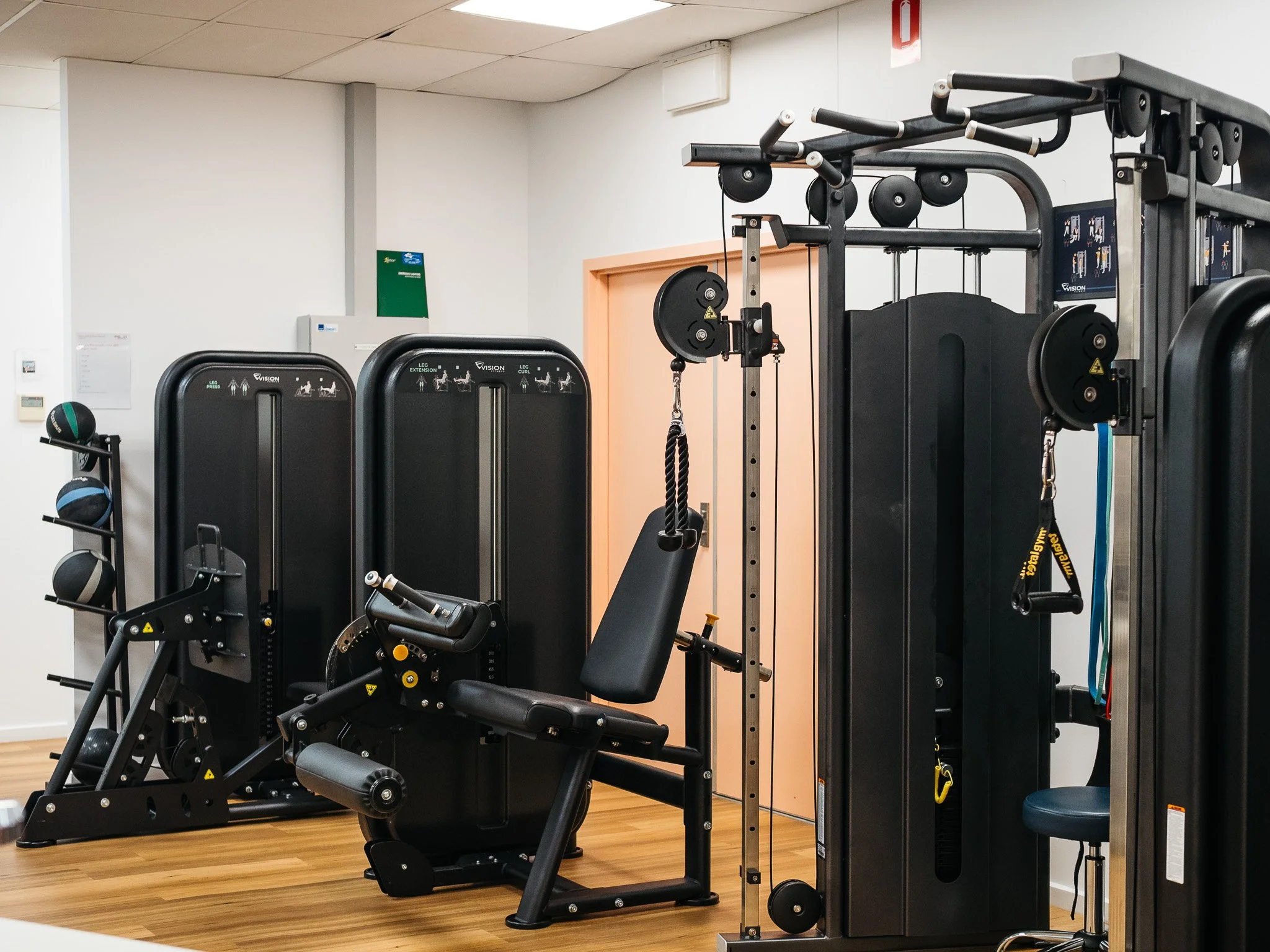
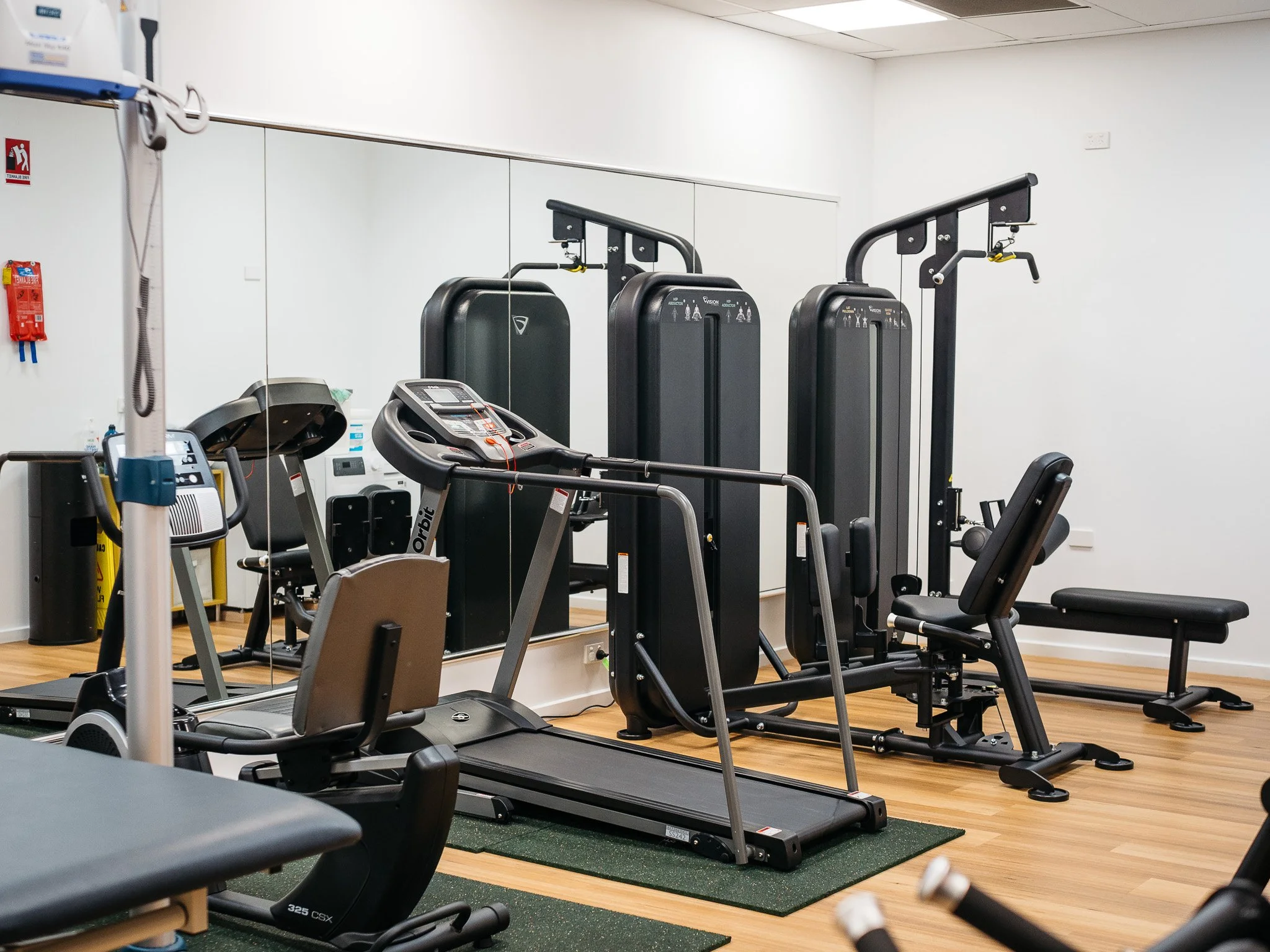
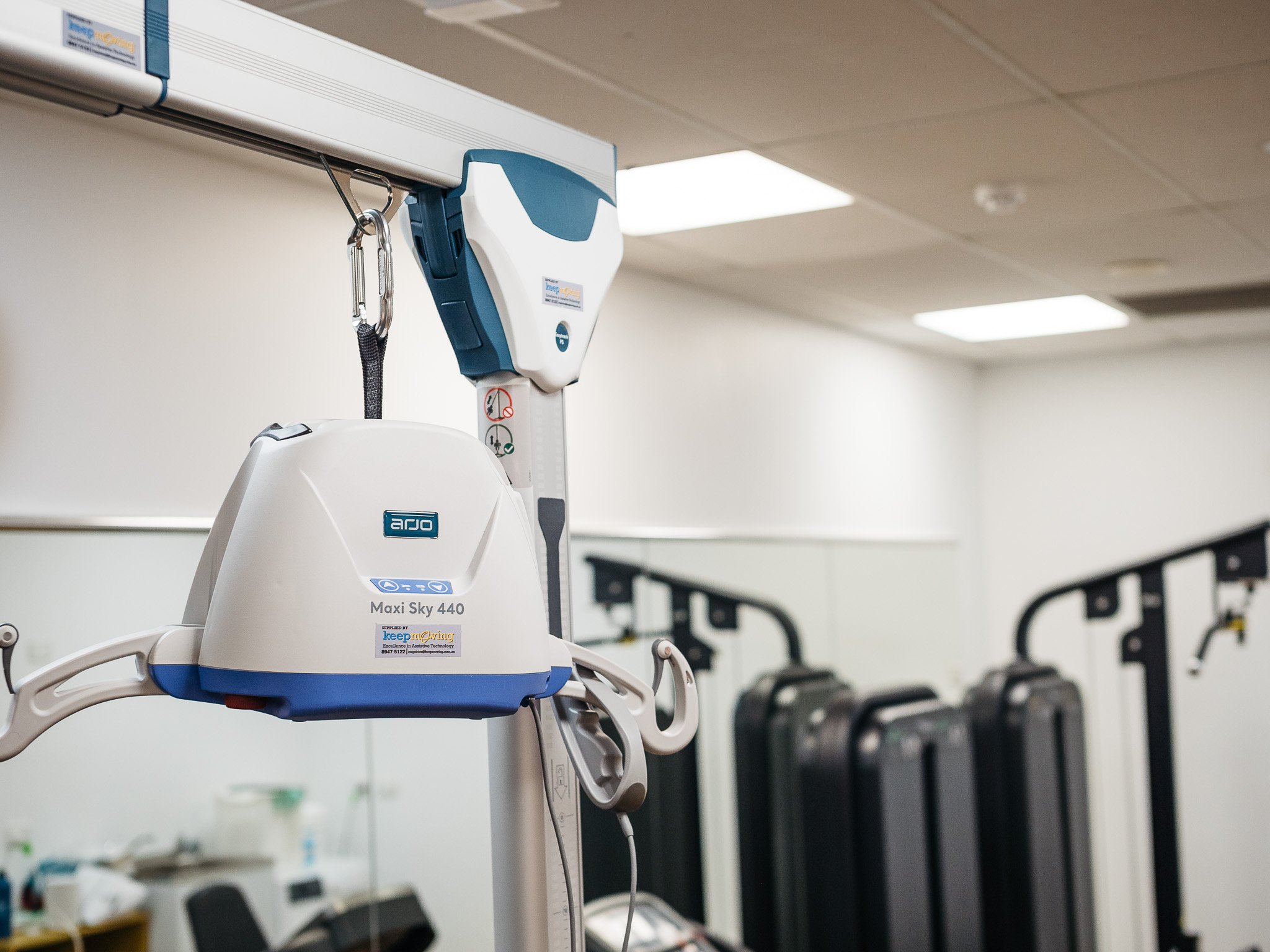
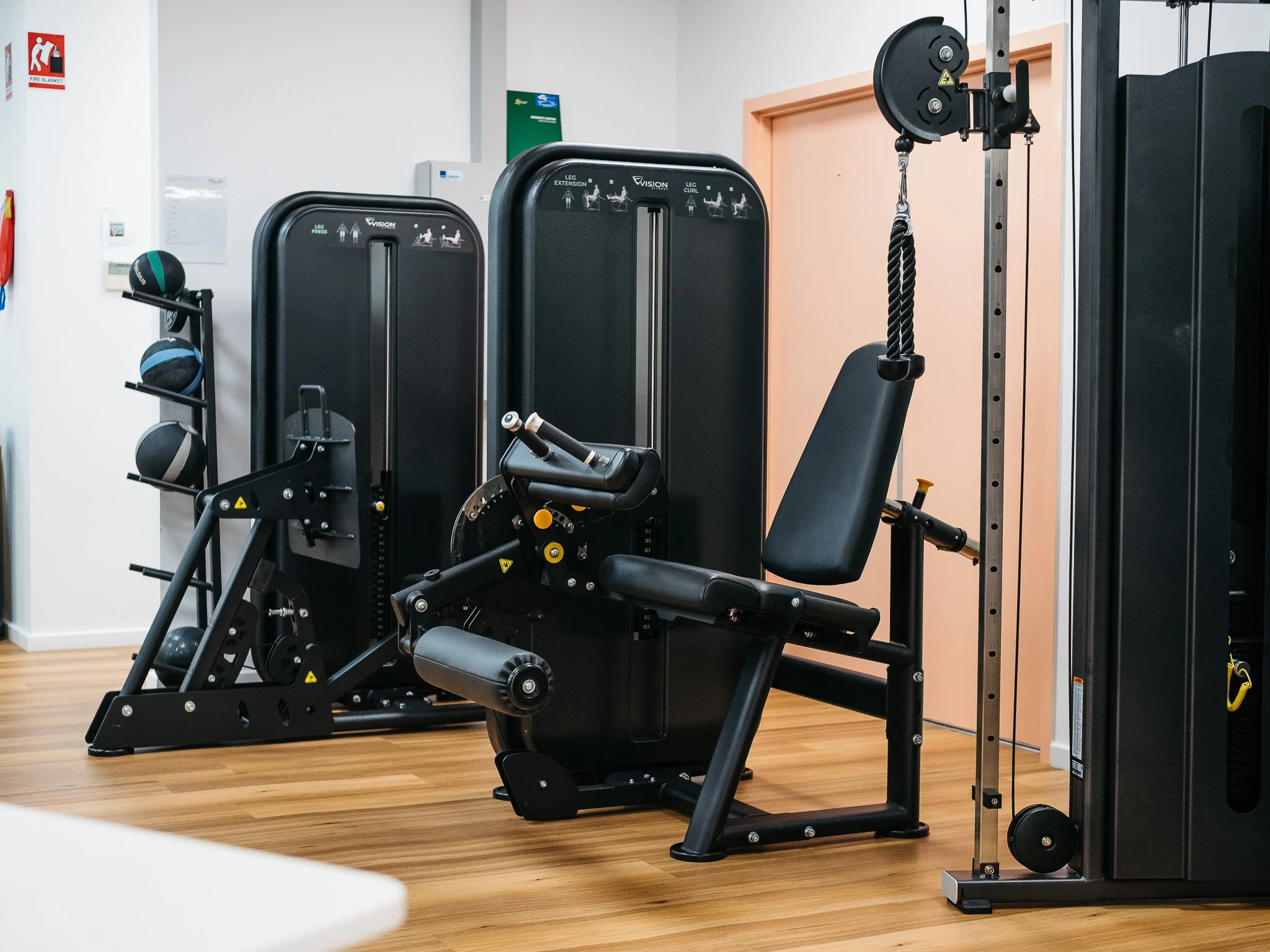
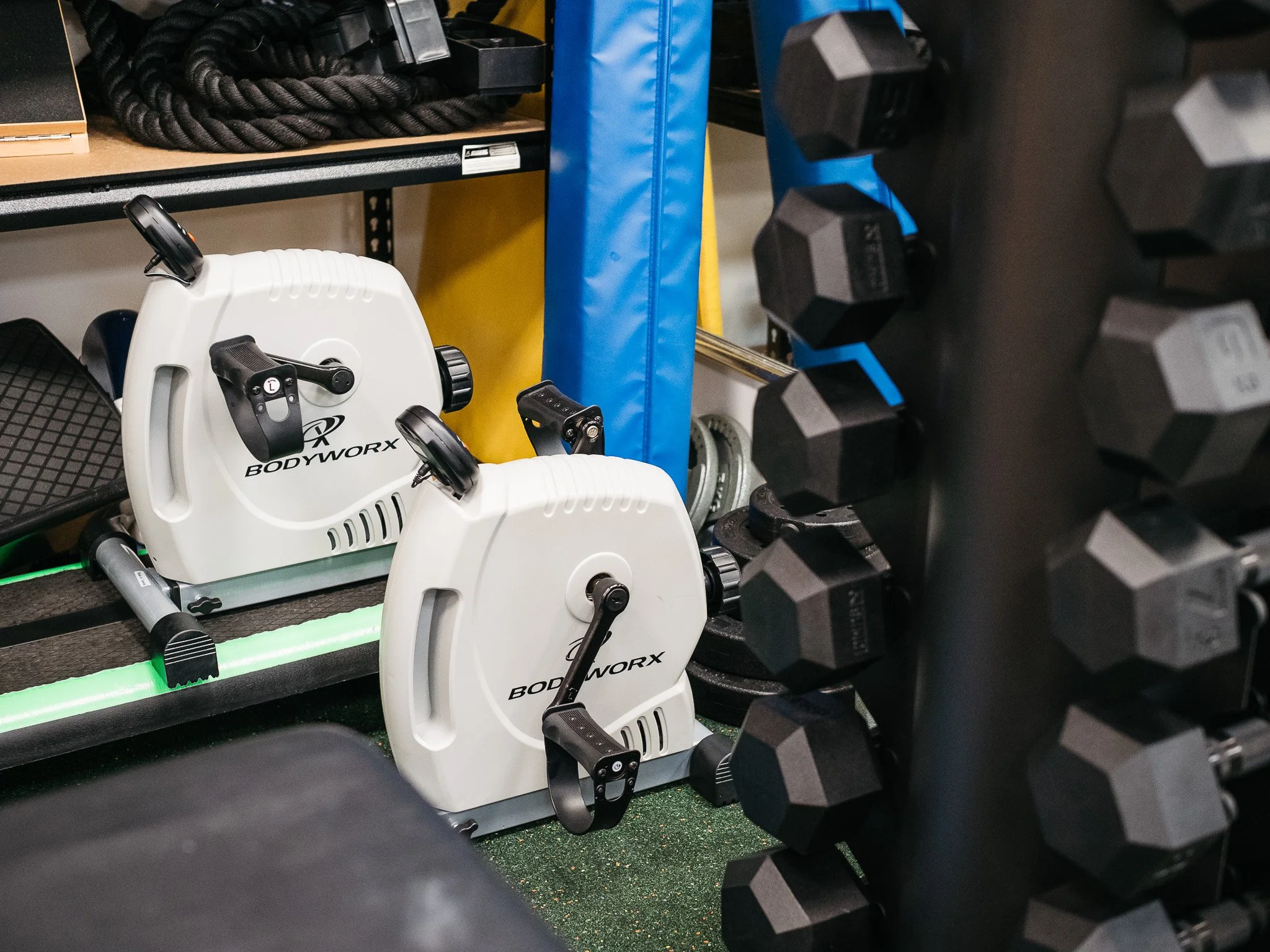
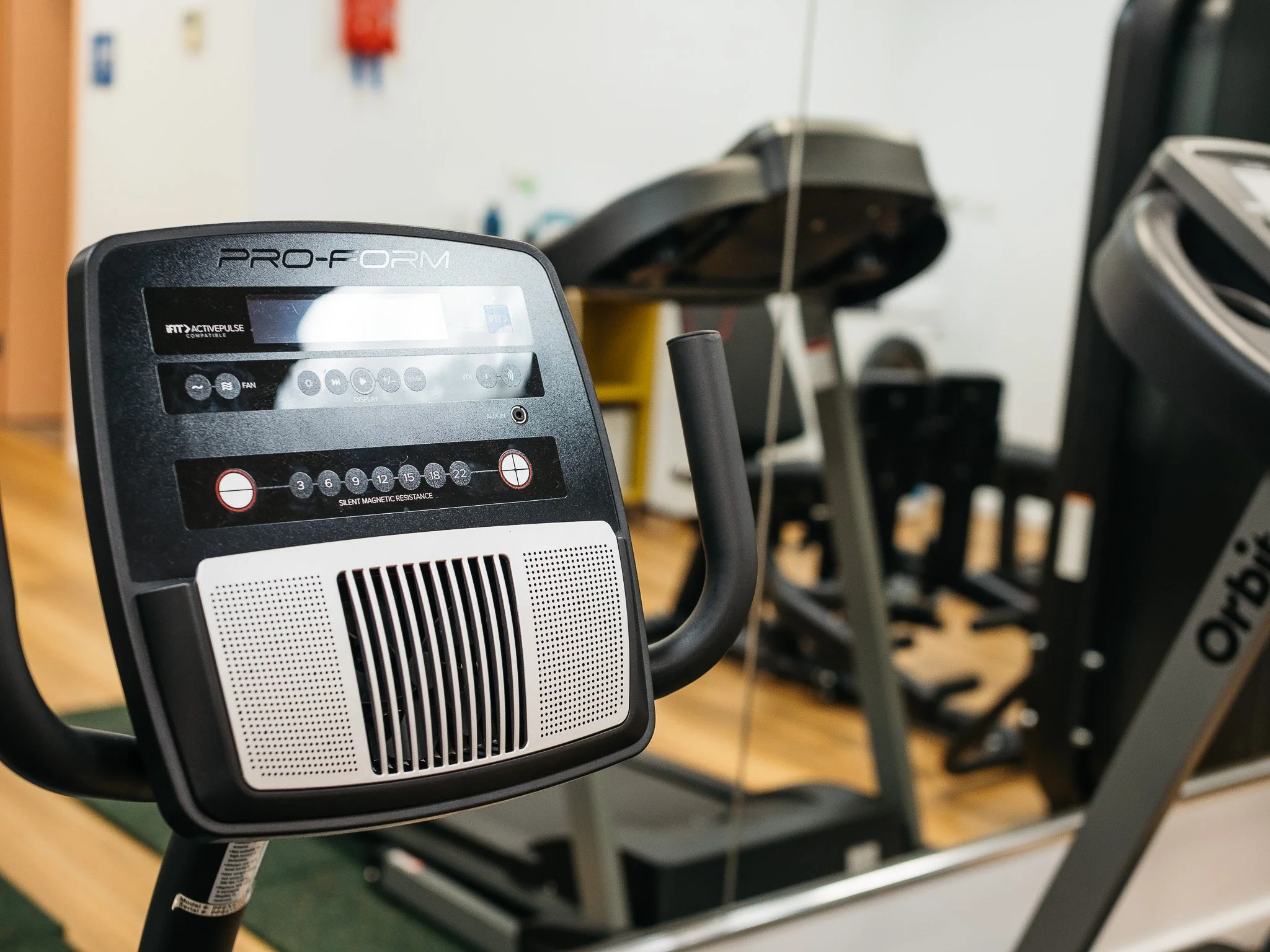
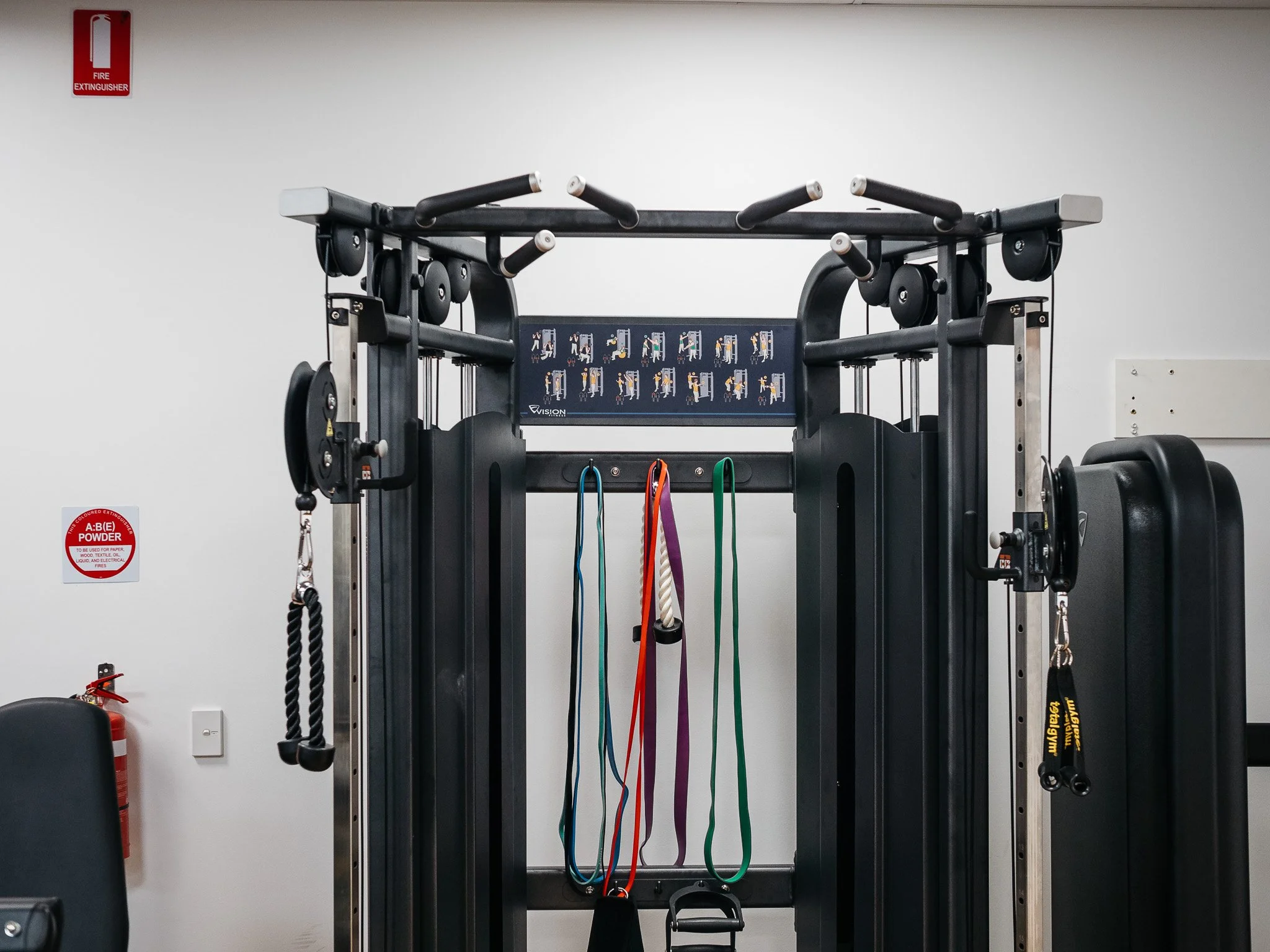
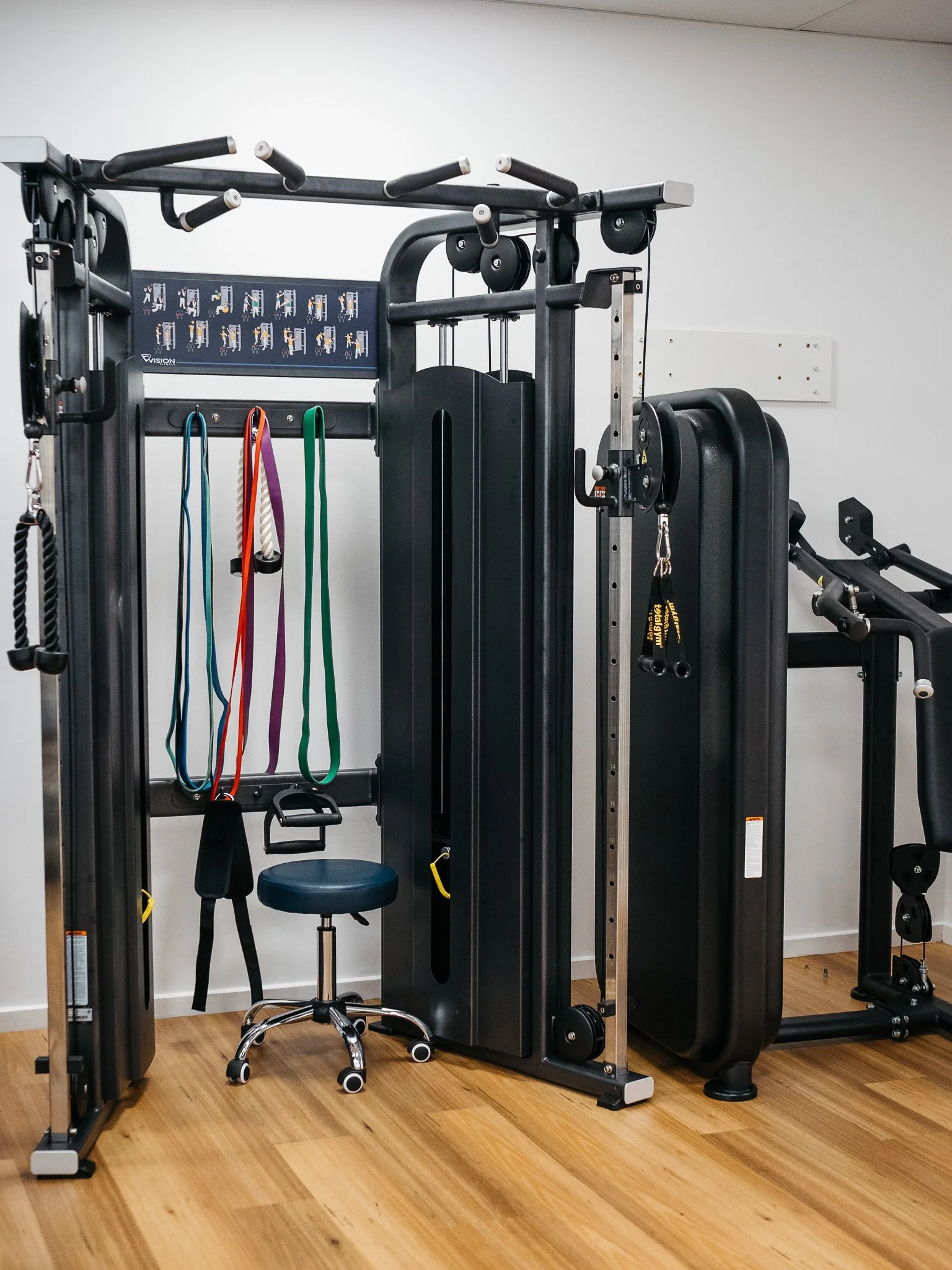
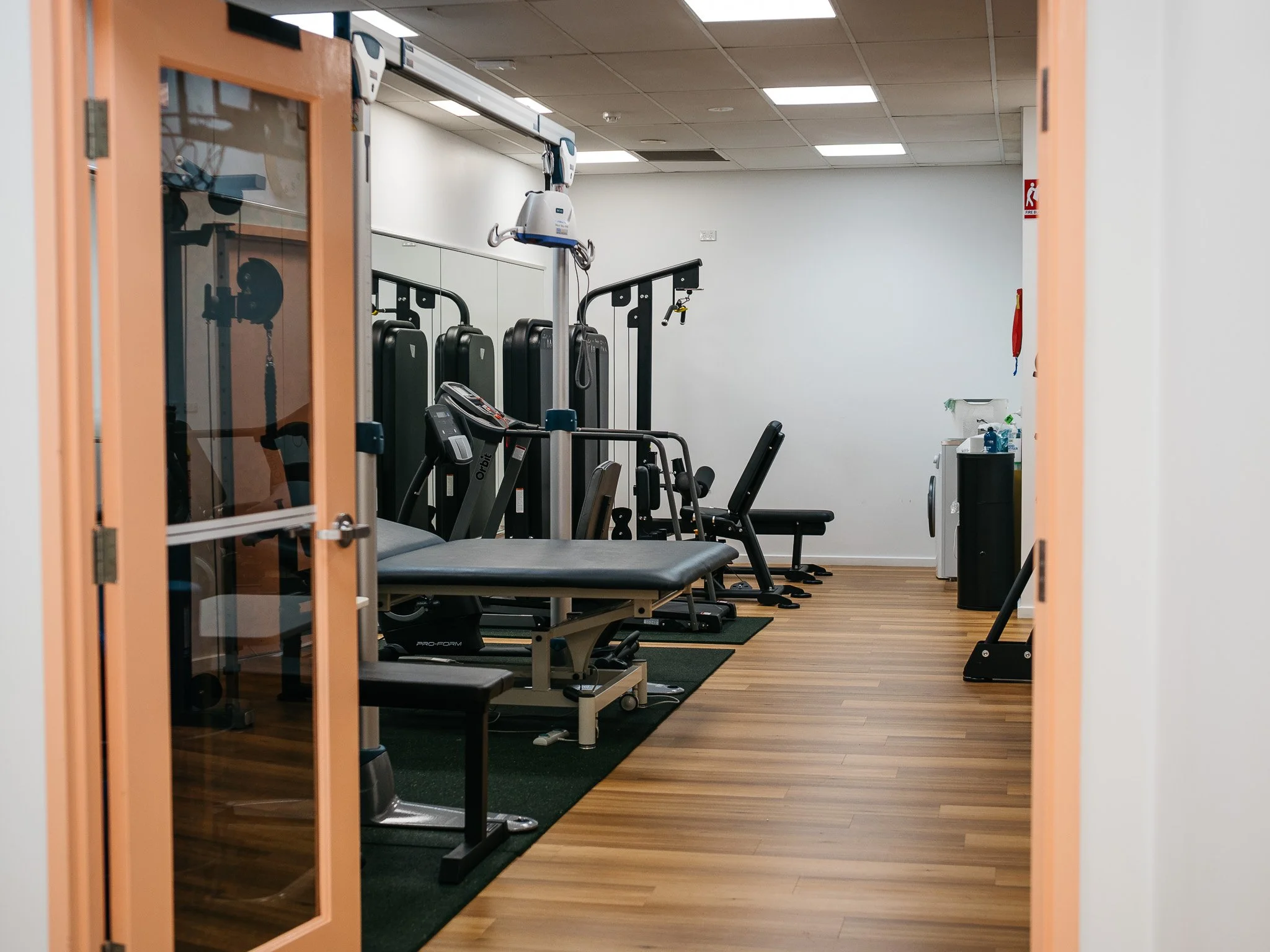
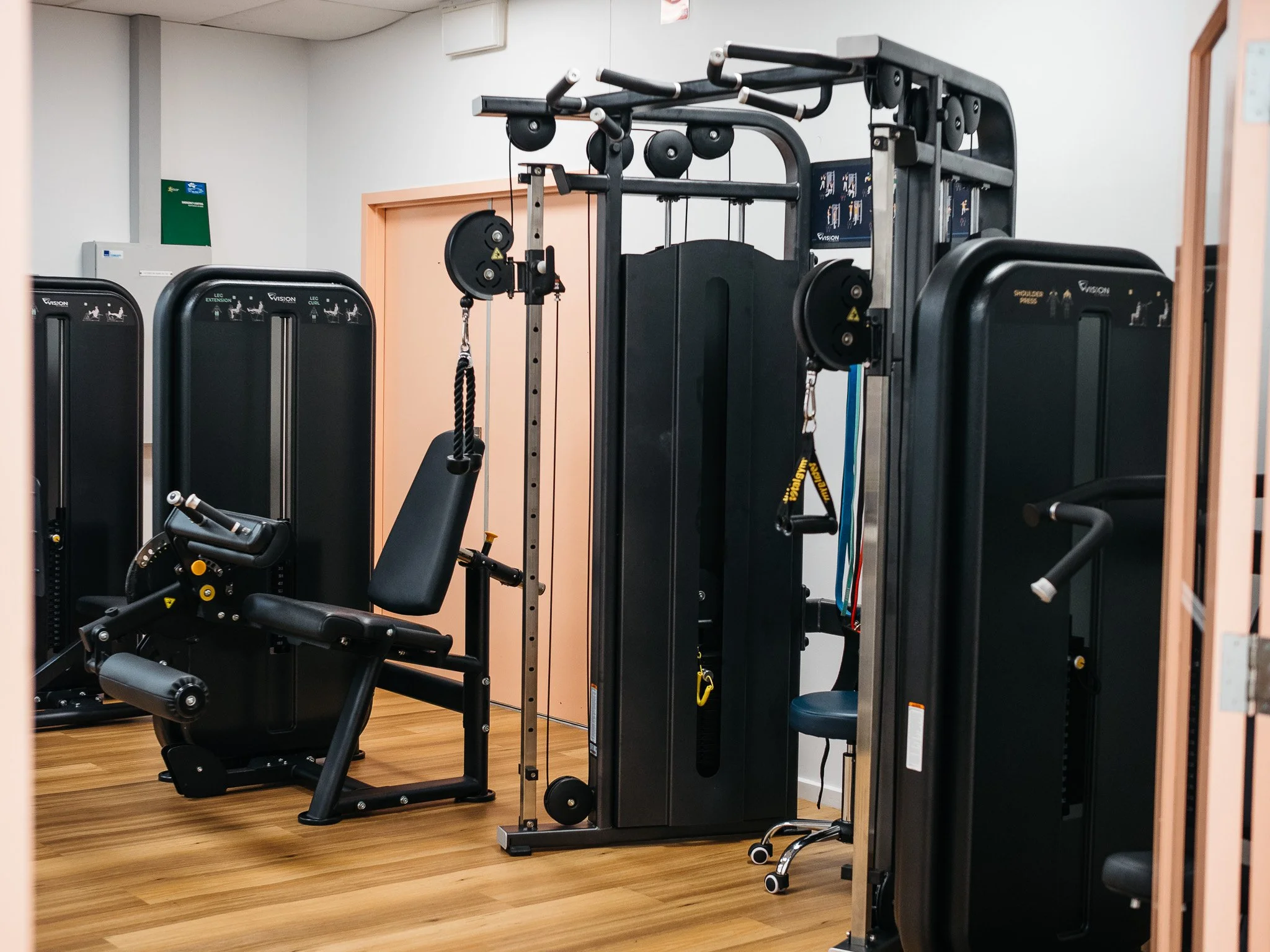
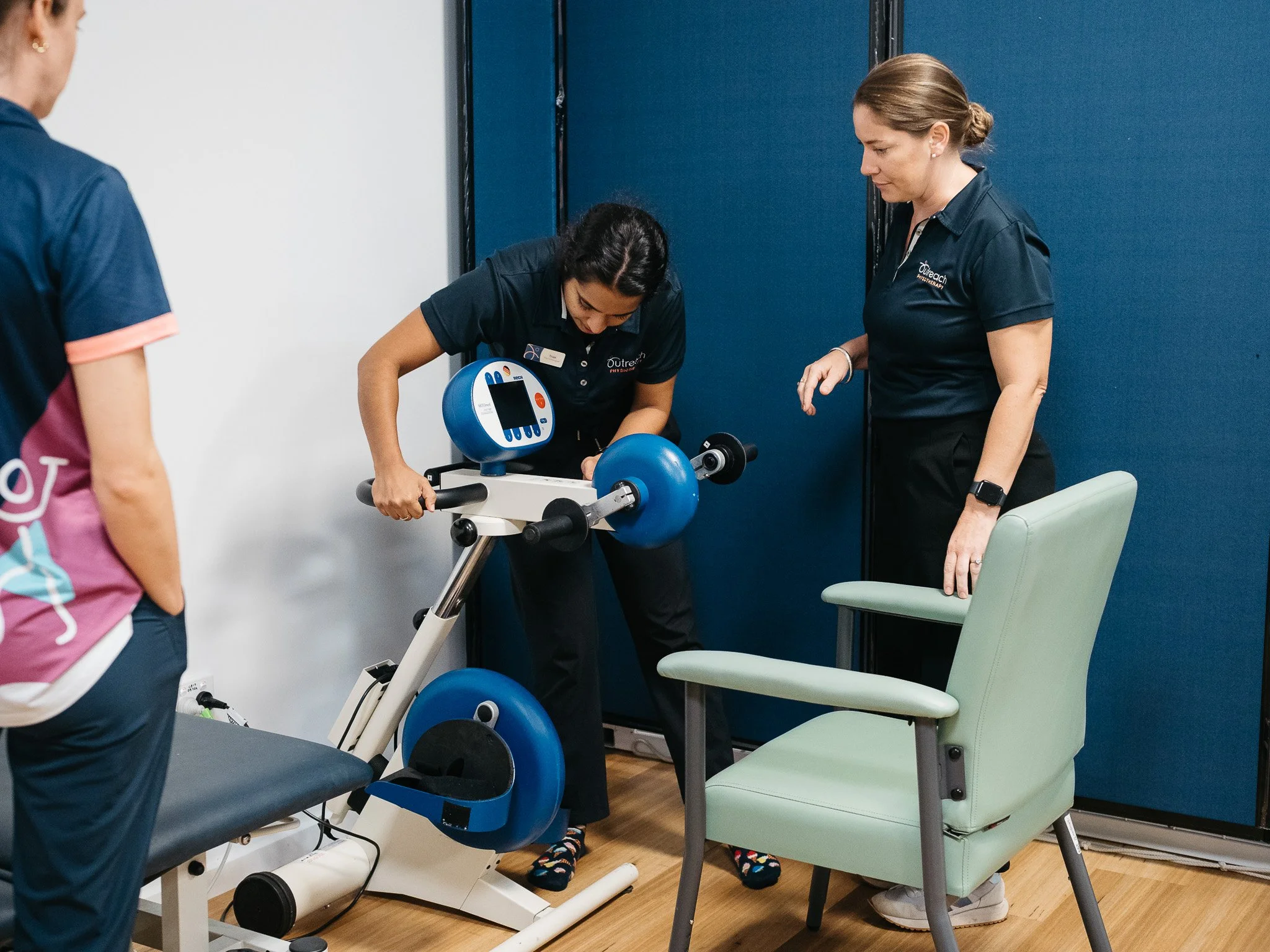
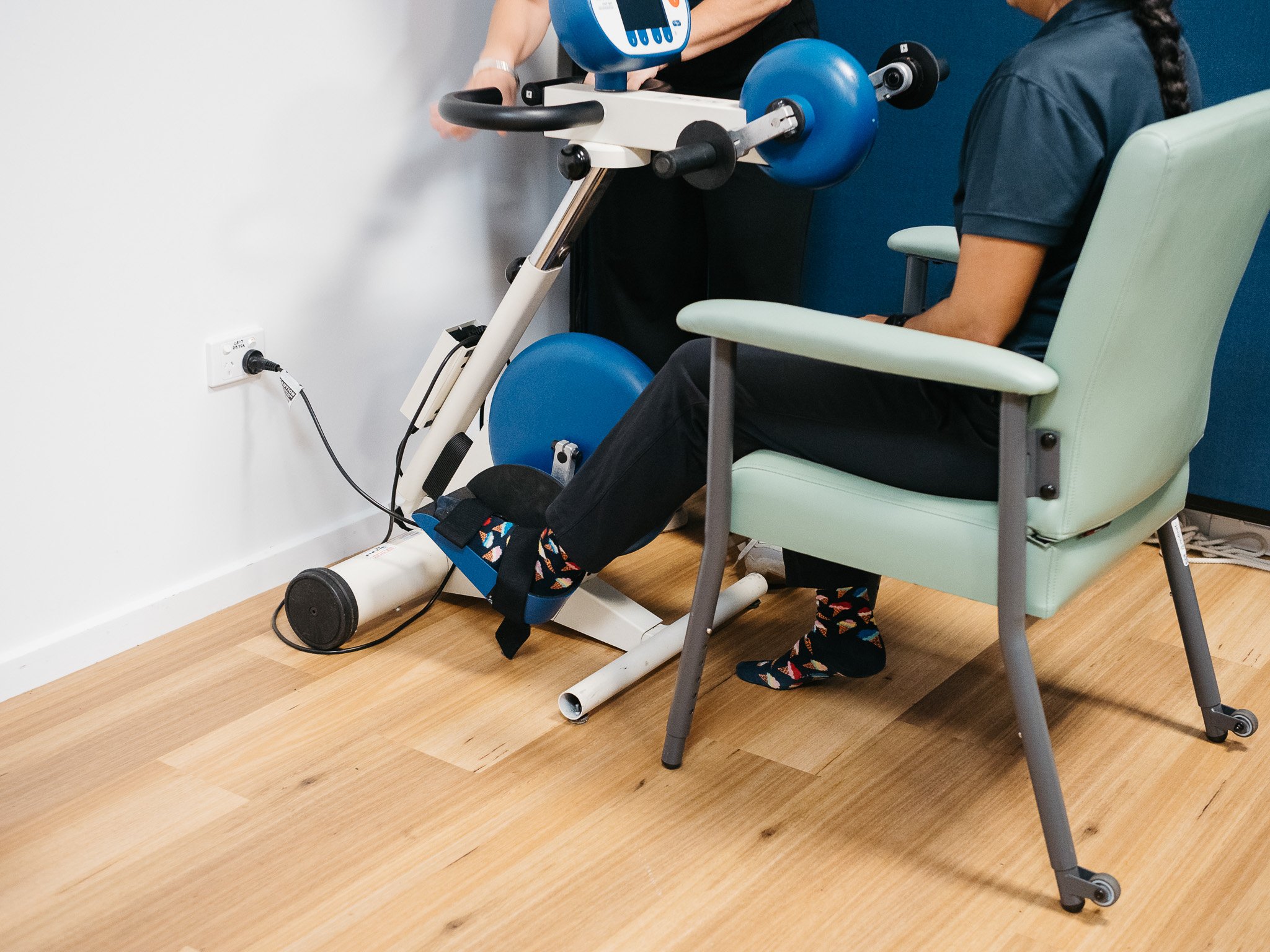
Wherever it's practical, we love seeing clients in our Darwin clinic. There's a simple reason: our clinic is set up with the space and equipment to do more. We can progress your strength work properly, use specialised equipment, and put you through a fuller range of exercises than a lounge room usually allows — which often means better, faster results. A clinic visit is also a lovely reason to get out, stay connected, and keep a bit of routine in the week.
👫 In a group program
Our group programs are one of the best-value ways to use a Home Care Package - and they're brilliantly suited to the goals the new Support at Home program cares about most. In a small, supervised group you'll build strength and balance, move with confidence, and enjoy the motivation and social connection that come from exercising alongside others.
Group-based strength and balance work is exactly what Australia's falls-prevention guidelines recommend (more on that below), and because a group session generally costs less than one-on-one time, your funding can stretch to more regular sessions across the year. Depending on your needs, options may include supervised strength and balance classes and, where suitable, programs such as reformer pilates or hydrotherapy. It's a friendly, encouraging environment - no gym experience required.
🏠 At home, when you need it
Sometimes getting to the clinic isn't realistic - after a hospital stay, during a flare-up, or if transport and mobility make it hard. In those situations, we come to you. Home visits are also invaluable early on, so we can see the real staircase you climb and the actual chair you rise from, and tailor your program to your environment. For many people, the ideal path is a home visit or two to get started, then a move into the clinic or a group as confidence grows.
What physiotherapy can help with
Whichever setting suits you, here are some of the most common - and most valuable - areas we work on with older adults:
🏋️ Strength and balance - targeted, progressive exercise is the single most evidence-backed way to reduce falls and keep you steady. Australia's updated falls-prevention guidelines recommend around 2–3 hours of balance and strength work each week, which is where regular clinic sessions and group classes really add up.
🚶 Mobility and walking - whether it's getting up from a chair, managing steps, or walking to the letterbox, we work on the specific movements that matter in your day.
🏥 Recovery after hospital, surgery or a fall - regaining confidence and function after a setback, so a short hospital stay doesn't turn into a long-term loss of independence.
💪 Managing long-term conditions - arthritis, Parkinson's, stroke recovery, respiratory conditions, and persistent pain can all be supported with the right physiotherapy approach.
🧠 Overcoming a fear of falling -Building strength and confidence helps you stay active and connected, not sitting still out of worry.
The aim is always practical and personal: keep you doing the things you value - gardening, catching up with friends, playing with the grandkids, getting to the shops - safely and on your own terms.
For families and carers
If you're helping a parent or loved one, you don't have to navigate all of this alone. A few things that help:
✅ Talk to their provider or care manager about including regular physiotherapy in the plan - remember, as a clinical support it's fully funded.
✅ Ask about our group programs - they're a cost-effective way to build in more regular sessions, and the social side is often just as valuable as the exercise.
✅ Book an assessment so goals are clear and specific ("get back to walking to the shop," "manage the stairs safely") rather than just "general exercise" - this helps everyone stay focused on what matters.
For care managers and referrers
We work alongside aged care providers, case managers and coordinators to deliver responsive, goal-oriented physiotherapy for clients on Support at Home (and those still transitioning from Home Care Packages). Clients can access us through clinic appointments, our group programs, or home visits, depending on what's clinically appropriate and best value for their budget. We provide clear, timely communication, collaborate with the wider care team — GPs, occupational therapists, pharmacists and podiatrists — and align our programs with current best-practice falls-prevention and reablement guidelines. Referrals are welcome via our website, and we're happy to discuss a client's needs before getting started.
Frequently asked questions
Can I use my Home Care Package for physiotherapy?
Yes. Under the Support at Home program (which replaced Home Care Packages in November 2025), physiotherapy is a clinical support and is fully funded - with no personal contribution required.
Do I have to pay a gap or co-contribution for physio?
No. Clinical supports, including physiotherapy, carry no participant contribution under Support at Home, whatever your income or pension status. Contributions only apply to some independence and everyday-living services.
Can I use my package for group exercise classes?
Yes - supervised, physiotherapy-led group programs are a great use of your funding. Because they generally cost less than one-on-one sessions, they're an excellent way to get more regular strength and balance work across the year.
I was already on a Home Care Package. Do I lose anything?
No. A "no worse off" principle protects existing recipients - your arrangements and unspent funds carry over, and you won't pay more than you did before.
Do I have to come to the clinic, or can you come to me?
Both. We prefer to see clients in our Darwin clinic where we have the space and equipment to do more, but we also run group programs and offer home visits when getting to the clinic isn't practical.
What if I'm not on a package yet?
You can start by contacting My Aged Care for an assessment. In the meantime, feel free to reach out to us — we're happy to explain your options.
Ready to move better and stay independent?
Whether you're already using a Home Care Package, transitioning to Support at Home, or just starting to explore your options, our friendly team can help you build physiotherapy into your plan - and find the right mix of clinic sessions, group programs and home visits to keep you doing what you love.
👉 Get in touch with Outreach Physiotherapy today.
Darwin, NT
📍 Unit 5, 396 Stuart Highway, Winnellie
📞 (08) 7918 0879
📧 reception@outreachphysiotherapy.com